Walking the Las Vegas Strip can look simple on a map. In real life, a “quick” walk between resorts can mean long pedestrian bridges, casino corridors, escalators, outdoor sidewalks, rideshare pickup zones, show crowds, and intense desert heat.
That matters during summer travel. Las Vegas visitors often combine flights, alcohol, late nights, packed meals, pool time, conventions, shopping, concerts, and long walks in dry air. Even if you are not doing a formal workout, a Strip day can add up quickly.
This guide explains how to plan hydration around Las Vegas Strip walking, when oral fluids and electrolytes may be enough, when mobile IV hydration support may fit, and which symptoms should prompt urgent medical care instead of waiting for an in-room wellness appointment.
Why Strip walking can feel harder than expected
Las Vegas resorts are large. Walking from a hotel room to a restaurant, then to a show, then to a rideshare pickup area may involve more distance than expected. Add summer temperatures, outdoor waits, alcohol, salty meals, limited sleep, and dry desert air, and visitors may feel drained before the night is over.
Common Strip situations that can increase hydration stress include:
- Walking between resorts in midday or late-afternoon heat
- Waiting outside for rideshares, taxis, valet, shuttles, or tour pickups
- Standing in outdoor event lines or security lines
- Moving between casino floors, parking garages, pedestrian bridges, and convention areas
- Attending dayclubs, rooftop venues, outdoor patios, or pool decks
- Flying in the same day and starting activities before eating or drinking enough
- Wearing dress shoes or event outfits that make walking more tiring
- Drinking alcohol or relying heavily on caffeine
The goal is not to scare visitors away from enjoying the Strip. It is to plan like you are in a desert city, not a typical walkable downtown.
Start hydration before the walk, not after symptoms hit
A good Strip hydration plan starts before you leave the room. Drink water steadily earlier in the day, especially if you flew in, spent time outdoors, or have a long evening planned. Pair fluids with food when you can, and consider electrolytes if you are sweating, walking in heat, or spending hours outside.
For many healthy adults, oral hydration is the right first step. Water, electrolyte drinks, balanced meals, shade breaks, and air-conditioned pauses can support normal hydration needs during a busy Las Vegas day.
Practical timing tips:
- Drink water before leaving the hotel room, not just once you feel thirsty.
- Carry water when walking between resorts or waiting outside.
- Use air-conditioned casino corridors when available.
- Build in shade or indoor breaks every time your route includes outdoor bridges or sidewalks.
- Eat something with fluids if you have been relying on alcohol, coffee, or energy drinks.
- Slow down during peak afternoon heat.
- Check in with your group before long walks or show transitions.
Thirst, fatigue, headache, dry mouth, and darker urine can be signs that you need to pay attention to hydration. Symptoms can also come from travel, lack of sleep, alcohol, heat exposure, or illness, so it is important not to assume every symptom is “just dehydration.”
Think twice before “just walking” to the next resort
The Strip is full of visual landmarks that appear closer than they are. A nearby sign may still require a long walk through a resort, across a bridge, around construction, through a casino, or down to a designated pickup area.
Before you walk, ask:
- Is the route mostly indoors or outdoors?
- Is it still hot outside?
- Do we have water with us?
- Is anyone in the group already dizzy, nauseated, weak, or overheated?
- Are we dressed for walking, or are we in formal shoes or event clothes?
- Do we have a dinner, show, flight, or reservation that makes rushing likely?
- Would a short rideshare or taxi be safer than pushing through the heat?
For bachelor and bachelorette groups, wedding guests, convention attendees, sports fans, and concertgoers, the answer may change throughout the day. A walk that felt easy at 10 a.m. may feel very different after pool time, drinks, a heavy meal, or several hours at an event.
Rideshare lines and pickup zones need a hydration plan too
Rideshare logistics are part of the Las Vegas wellness equation. Some hotels have designated pickup areas that require extra walking. During busy weekends, visitors may spend time standing outside or in garages while waiting for a driver.
If you are already feeling depleted, a rideshare wait can make symptoms feel worse. Before heading to the pickup zone, take a few minutes to drink water, use the restroom, and cool down inside if possible. If someone in your group is dizzy, confused, faint, short of breath, or very weak, do not simply send them to wait outside for a car. Seek appropriate medical help.
For group trips, appoint one person to confirm the pickup area while the rest of the group stays cool indoors. This small step can reduce unnecessary walking and help everyone arrive in better shape.
Where mobile IV hydration may fit for eligible visitors
Mobile IV therapy is not a replacement for smart oral hydration, food, rest, cooling, or medical care when symptoms are concerning. For appropriate candidates, however, clinician-administered mobile IV hydration may support wellness goals during a Las Vegas trip.
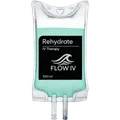
Flow IV’s Rehydrate service is designed for hydration-focused support and may fit visitors who want in-room or on-site wellness support after travel, desert heat, long walks, events, or busy schedules, depending on clinician screening and availability.
A mobile appointment may be especially convenient when:
- You are staying at a Las Vegas hotel, home, or vacation rental.
- You want hydration-focused support without leaving your room.
- Your group has a packed itinerary and wants to avoid extra travel.
- You have been walking the Strip, attending events, or navigating summer heat.
- You are looking for clinician-administered support after screening rather than a one-size-fits-all approach.
During screening, be honest about symptoms, alcohol intake, heat exposure, medications, allergies, health conditions, recent procedures, pregnancy status, and whether symptoms are improving or worsening. That information helps the clinician determine whether mobile IV therapy is appropriate or whether urgent care is the safer next step.
When to choose urgent care or emergency help instead
Some symptoms should not wait for a mobile wellness appointment. If symptoms are severe, sudden, unusual, or worsening, seek urgent medical evaluation.
Get urgent help or call emergency services for symptoms such as:
- Confusion, fainting, loss of consciousness, or severe weakness
- Chest pain, shortness of breath, or signs of stroke
- Very high body temperature or suspected heat stroke
- Severe dehydration symptoms or inability to keep fluids down
- Persistent vomiting or diarrhea
- Severe headache with neurological symptoms
- Severe abdominal pain
- Symptoms after heat exposure that do not improve with cooling and fluids
- Any situation where someone seems unsafe, disoriented, or rapidly declining
The National Weather Service warns that heat can become dangerous, and MedlinePlus notes that dehydration can be serious when the body loses too much fluid. If you are unsure whether symptoms are serious, choose medical evaluation first. Mobile IV therapy should not delay urgent or emergency care.
A simple Strip hydration checklist
Before leaving your room:
- Drink water and eat something if you are able.
- Pack or purchase water before long walks.
- Check the weather and avoid unnecessary outdoor walking during peak heat.
- Plan the route, including pedestrian bridges, indoor corridors, and pickup zones.
- Wear shoes that match the amount of walking planned.
- Confirm whether anyone in your group already feels unwell.
During the day:
- Take air-conditioned breaks.
- Refill water when you pass shops, restaurants, or convenience stores.
- Add electrolytes when sweating, walking outside, or recovering from travel.
- Pace alcohol and caffeine with water and food.
- Watch for dizziness, confusion, fainting, worsening nausea, severe weakness, or heat-related symptoms.
- Shorten the route or use transportation when the heat is too much.
After a long Strip day:
- Cool down indoors.
- Continue steady fluids if you can tolerate them.
- Eat a balanced meal or snack when appropriate.
- Rest before the next major activity.
- Consider whether clinician-screened mobile IV hydration support may fit your goals.
- Seek urgent care if symptoms are severe, worsening, or concerning.
Book mobile IV hydration support on the Las Vegas Strip
Las Vegas is built for big experiences, but summer Strip days are easier when hydration, cooling, and logistics are part of the plan. A few smart choices before the walk can help you feel more prepared for shows, dinners, events, flights, and group plans.
Flow IV provides mobile IV hydration and wellness support for eligible clients at hotels, homes, vacation rentals, and approved group settings in the Las Vegas area. Appointments are subject to availability, location logistics, and clinician screening.
If you are planning a busy Strip day and want hydration-focused support, Flow IV’s Rehydrate service may be a fit after screening. If symptoms are severe, unusual, or getting worse, seek urgent or emergency medical care instead of waiting for a mobile appointment.
Sources
- National Weather Service. “Heat Safety Tips and Resources.” https://www.weather.gov/safety/heat
- MedlinePlus. “Dehydration.” https://medlineplus.gov/dehydration.html